
The most boring product in your bathroom might be one of the most important
I grew up in a time when we just washed our faces with soap. In our house, it was Imperial Leather. And some people tell me that, compared with what else was around at the time, that wasn't even the worst of it. All I remember is being the youngest and generally the last one in a bath that had somehow been shared across the entire family, washing myself with what was essentially the label of the soap bar.
You know the one.
That little Imperial Leather sticker that somehow survived long after the actual soap had disappeared.
And thank all the gods, without any bias whatsoever, that washing our faces has moved on. Because somewhere along the way, we were sold this idea of being squeaky clean.
If you could run your finger across your forehead and hear a squeak, apparently you'd done an excellent job. Can we please never say squeaky clean about our faces ever again?
Because your cleanser has a much more intelligent job to do.
And I think cleansing is probably the most unloved part of the skincare routine. We'll spend £150 on a serum containing some molecule we've only just learned how to pronounce, then give approximately eleven seconds of thought to what we're washing our face with twice a day.
What we rate …
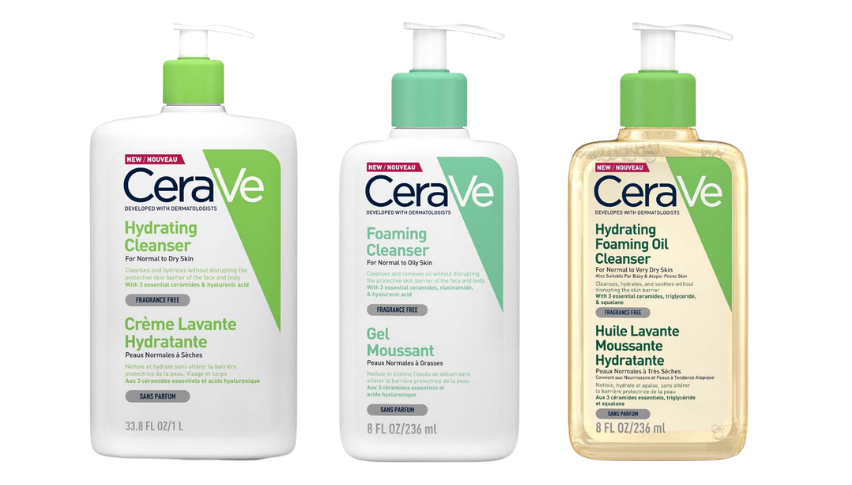
CeraVe
CeraVe is somewhere I'd start for straightforward everyday cleansing. Their range actually makes choosing fairly logical: Hydrating Cleanser for normal-to-dry skin, Foaming Cleanser for normal-to-oily skin, Hydrating Foaming Oil Cleanser for dry-to-very-dry skin, plus options for blemish-prone skin. Don't make this more complicated than it needs to be.
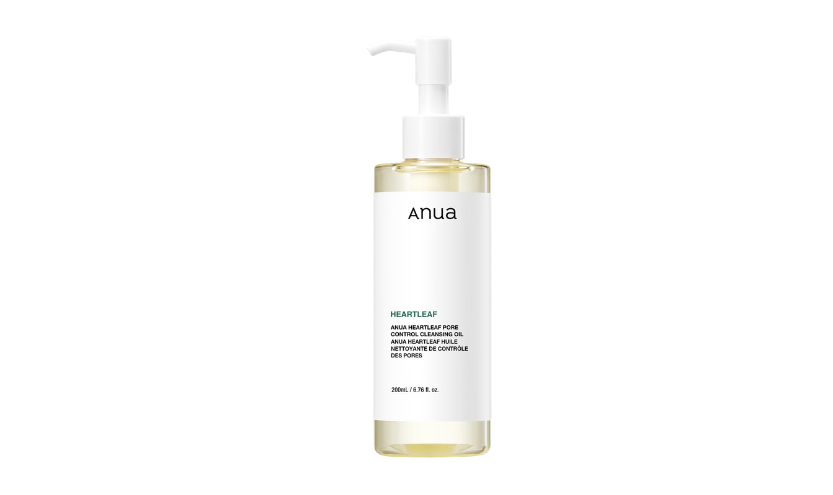
Anua
I also really like Anua Heartleaf Pore Control Cleansing Oil as a first cleanse when there's makeup and SPF to shift.
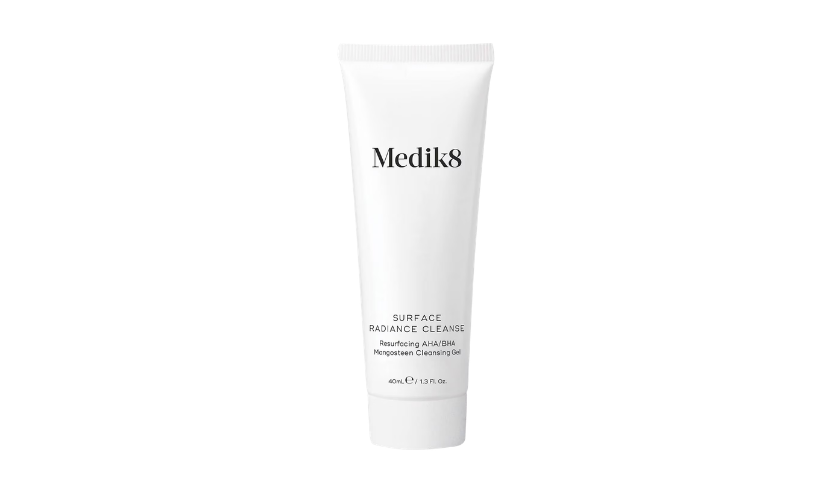
Medik8
If you want something more active, Medik8 Surface Radiance Cleanse is a different proposition. It's a gel-to-foam AHA/BHA cleanser, so we're now combining cleansing with exfoliating acids. Lovely for the right skin; completely unnecessary for everyone. And remember: if acids are hiding in your cleanser, they still count when we're looking at your routine as a whole.
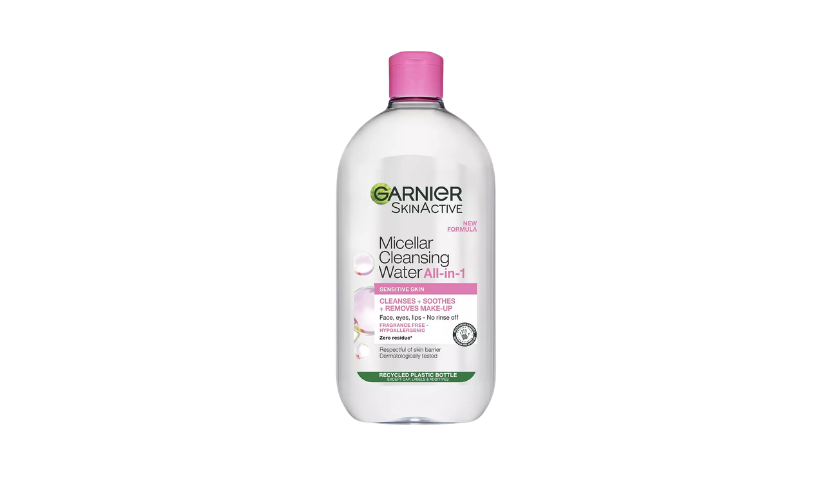
Garnier
And my bathroom-cabinet constant? Garnier Micellar Cleansing Water for Sensitive Skin. Cheap. Fragrance-free. Useful. Exactly the sort of product I want micellar water to be.
The humble surfactant
Most cleansers rely on surfactants. And to understand them, we need two slightly annoying words:
Hydrophilic. Hydrophobic.
Stay with me.
A surfactant essentially has two personalities. One part likes water — hydrophilic. The other associates with oils — hydrophobic.
The oil-loving part helps associate with sebum, makeup, sunscreen and oily debris that water alone isn't particularly good at removing. The water-loving part allows that material to disperse so we can rinse it away.
Clever little molecule.
But here's where it gets interesting.
A good cleanser doesn't simply need to know what to take off.
It needs to know what to leave behind.
Our skin isn't a kitchen worktop. We're not trying to degrease it.
The lipids within and around our stratum corneum are rather important. They're part of the system helping us retain water and maintain a healthy skin barrier.
So at one end of the cleansing spectrum we've got products that are absolutely magnificent at removing things.
Makeup. SPF. Sebum.
The memory of last Thursday. Everything.
Unfortunately, aggressive cleansing can also disturb more of our skin's own lipids and proteins than we'd like.
Tight. Dry. Shiny. Squeaky clean.
No.
But run too far in the opposite direction and we end up with something so gentle and creamy that you're standing at the sink wondering whether it's actually removed your SPF at all.
That's the balancing act.
A good cleanser removes what we don't want without unnecessarily disturbing what we do.
So many bloody cleansers
Gel. Foam. Oil. Cream. Balm. Milk. Micellar.
Something that started as a bar of soap on the side of the bath has somehow become another skincare category we're apparently expected to have a chemistry degree to navigate.
Let's strip it back. Your cleanser has somewhere around 45 seconds to a minute on your face.
Its job?
Take away what needs to go. Leave behind what needs to stay. And nothing much else in the ingredient list has any amount of time to be impactful.
Remove SPF, makeup, excess sebum, pollutants, sweat and general life without unnecessarily interfering with your barrier.
That's it.
So, which cleanser?
Oily skin: Start with a gel cleanser. Oily skin still has a barrier; we don't need to wage war on it simply because there's more sebum around.
Dry skin: Try an oil, milk or cream cleanser. We want effective cleansing without removing every last scrap of lipid along with it.
Sensitive or rosacea-prone skin: This is where I'm happily boring. Fragrance-free. Gentle surfactants. Often non-foaming. Think pH and barrier compatibility rather than my face has been power-washed. Long-term tolerance wins.
Heavy makeup or SPF: Double cleansing can be really useful. Oil or balm first to break everything down, then your normal cleanser. We're making cleansing more effective, not declaring war.
Can't be bothered tonight: This is why I own micellar water.
I don't consider it my proper evening cleanse. It's my halfway house. Long day. Makeup needs to come off. Children. Life. Bed.
Micellar water. Cotton round. Done.
It's better than sleeping in the day's face.
Find your anchor
Finding your anchor cleanser is one of the most underrated things you can do for your skin.
It's the boring one. Reliable. Not stripping. Not irritating. Not particularly exciting.
It just does its bloody job. And your anchor might change. Skin isn't static.
What works beautifully in July might not be what your face wants in January. What works when your barrier is thriving may feel completely wrong after you've overdone your retinoid or decided, against all previous advice, to exfoliate yourself into another dimension.
When you find something that cleans properly and leaves your skin feeling...
Normal.
Keep it.
Move away from the need to ‘change’
What we rate vs what we hate!
Please don’t spend £70 on it
Beautiful packaging. Heavy bottle. Huge price tag. Claims suggesting that somewhere between putting it on your face and rinsing it down the sink you're going to regenerate seventeen years of collagen and ride off on a unicorn over a rainbow.
No.
When we're deciding where to spend and where to save in skincare, cleanser is firmly somewhere you can save.
Spend your money somewhere else. Trust me, we'll find somewhere.
And what about cleansing devices?
Sonic and oscillating cleansing devices can help remove makeup, sebum and debris. But more cleansing does not automatically mean better cleansing. If your skin is resilient and you enjoy one, fine.
Rosacea? Sensitive? Barrier impaired? Already using a highly active routine?
I'm considerably less interested. Because the question isn't: HOW MUCH CAN I GET OFF MY FACE?
It's: Can I remove what needs removing while leaving the important stuff alone?
