Manual lymphatic drainage (MLD) after surgery: how it supports recovery
Swelling is a normal, expected part of recovering from surgery, but it can be significant, uncomfortable, and slow to resolve on its own. This is one of the most common reasons people seek out MLD, and one of the areas where it can make a genuine, noticeable difference to how recovery feels.
Why swelling happens after surgery
Surgery, whether cosmetic or reconstructive, disrupts the body's tissue and, often, the lymphatic vessels running through the area treated. Fluid that would normally drain away efficiently can build up instead, leading to swelling, tightness, and sometimes bruising that takes longer than expected to settle. This is a normal healing response, not a complication, but it can be genuinely uncomfortable and can also affect how quickly final results become visible after a cosmetic procedure.
How MLD helps
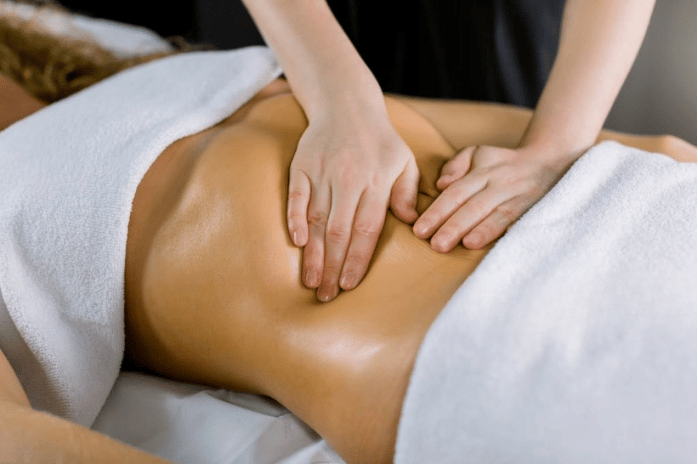
MLD's light, directional technique, covered in more detail in what MLD actually is, is designed to encourage this built-up fluid to move and drain more effectively, supporting the body's own healing process rather than working against it. Many people find this reduces the discomfort and visible swelling associated with post-surgical recovery, and can help results settle and become visible sooner than they might otherwise.
When to start, and working with your surgical team
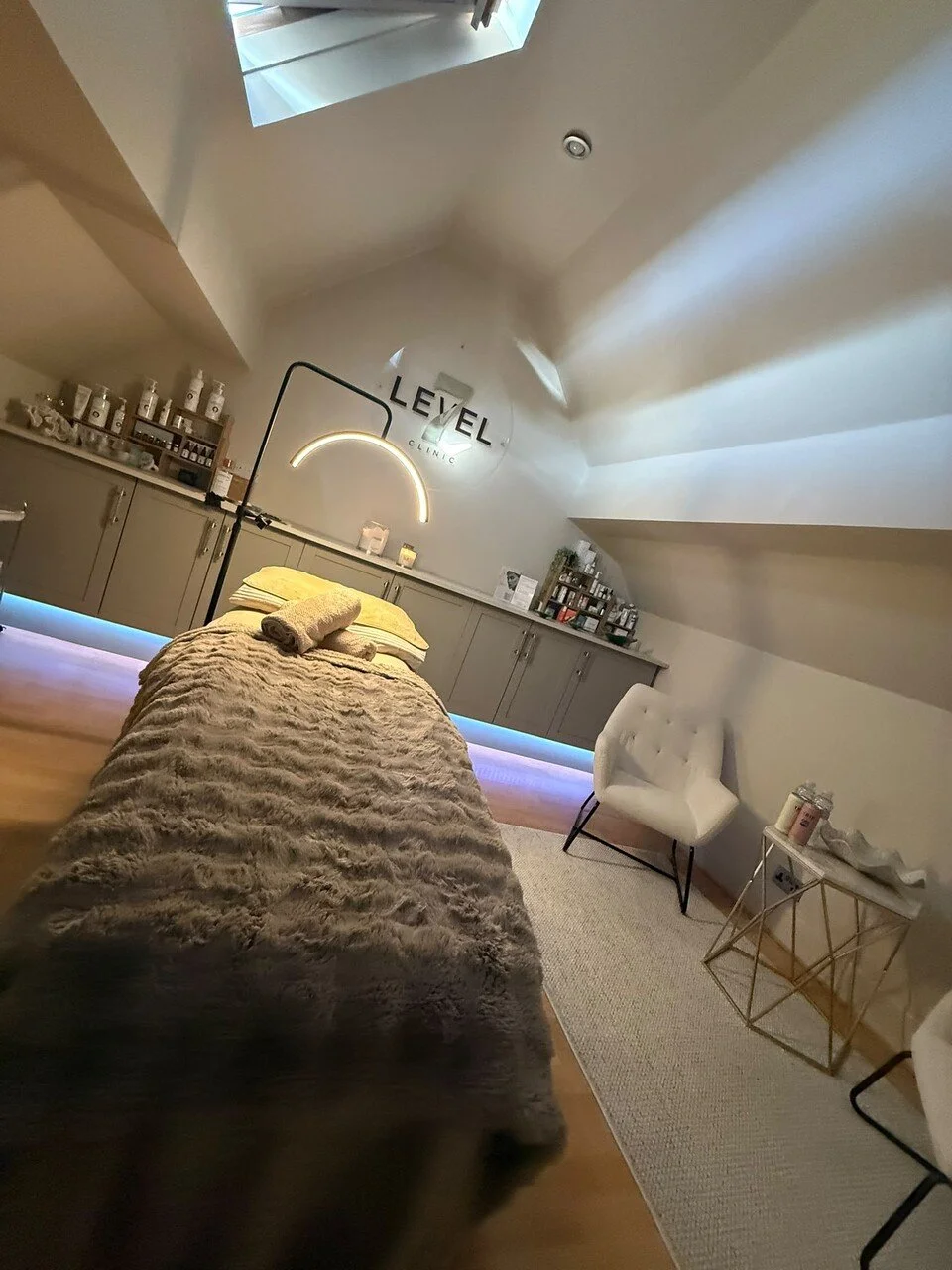
Timing matters here, and it's genuinely surgery- and surgeon-specific. Some procedures allow MLD within the first few days of recovery, while others need longer before the area is ready for even light manual technique. This isn't something to work out from a guide, it should always follow your surgeon's or surgical team's post-operative guidance first, with MLD used to complement that advice rather than override it. At Level 7, Leah works within whatever timeline and precautions your surgical team has set out, adjusting the approach to where you are in recovery.
What a typical course looks like
Post-surgical MLD is usually approached as a short course of sessions across the more active phase of recovery, rather than a single appointment, since swelling reduces gradually rather than all at once. How many sessions, and how they're spaced, depends on the procedure and how your body is responding, which is exactly what's assessed at consultation.
Schedule a Free Consultation
Every treatment plan at Level 7 begins with a conversation.
Your complimentary 20 minute consultation gives us time to understand your skin in detail, its history, its current condition, and your goals. From there, we build a personalised treatment plan and protocol, structured around your skin and how it responds over time.
This is not a sales appointment. It is the clinical foundation for everything that follows.