How to choose a medical aesthetics practitioner
Medical aesthetics sits in an unusual position: the treatments are medical, involving injectables and a genuine understanding of facial anatomy, but the industry around them is far less regulated than most people assume. Choosing the right practitioner matters more than choosing the right treatment, since a good practitioner will help you choose the treatment, not the other way round.
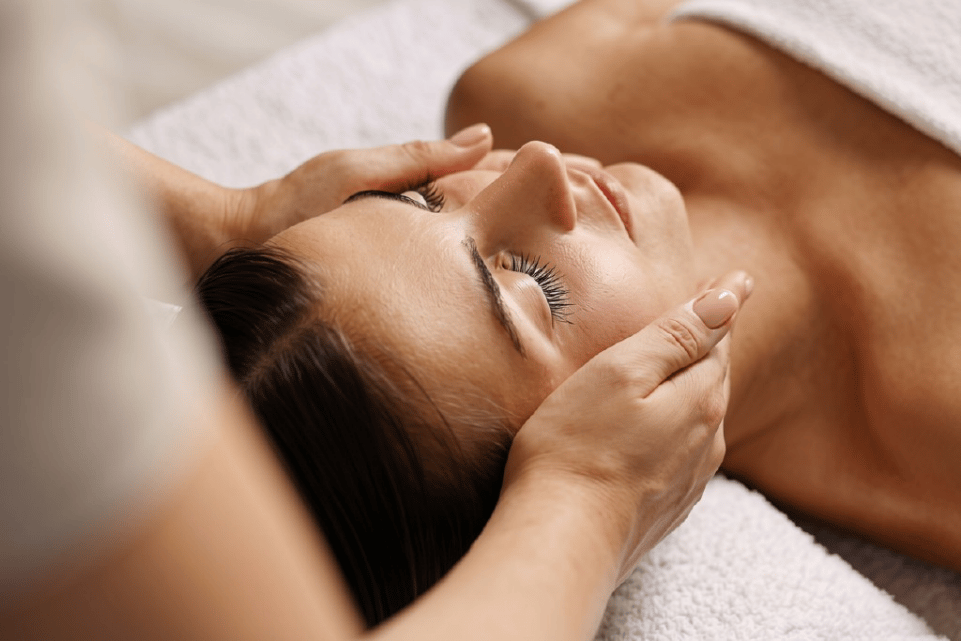
What to check before booking
A practitioner's professional registration is the starting point, whether that's as a doctor, nurse, dentist, or another regulated healthcare professional, since this affects their training, their accountability, and their ability to manage anything that doesn't go to plan. It's reasonable to ask directly what their registration is and how long they've been practising in aesthetics specifically, which is a different skill set to their original clinical training.
Insurance is worth asking about too, not because something is likely to go wrong, but because a practitioner who holds proper insurance has typically also met the training and governance standards that insurers require, which says something about how seriously they treat the work.
What a good consultation looks like
A thorough consultation is a strong sign in itself. A practitioner who wants to understand your facial anatomy, your concerns, and your goals before recommending a specific treatment is working the right way round. Be more cautious of anyone who suggests a treatment before properly examining your face, or who seems to be working from a fixed menu of add-ons rather than a plan built around you specifically.
Signs worth being cautious about
A few patterns are worth noticing. Pressure to book or pay on the day of a first consultation, promises of a guaranteed specific result, or reluctance to discuss what happens if you're not happy with the outcome are all worth treating as a reason to pause rather than proceed. A good practitioner will be transparent about realistic outcomes, including the more modest or gradual ones, rather than only the best-case result.
Aftercare and ongoing care matter too
What happens after treatment is as important as the appointment itself. Ask how the practitioner handles follow-up, how you'd get in touch if you had a concern afterwards, and whether review appointments are built into the plan. Aesthetics results also change over time, as covered in dermal fillers explained and anti-wrinkle treatment explained, so an ongoing relationship with a practitioner who knows your face tends to produce better results over time than a series of one-off appointments with whoever's available.
Schedule a Free Consultation
Every treatment plan at Level 7 begins with a conversation.
Your complimentary 20 minute consultation gives us time to understand your skin in detail, its history, its current condition, and your goals. From there, we build a personalised treatment plan and protocol, structured around your skin and how it responds over time.
This is not a sales appointment. It is the clinical foundation for everything that follows.